|
I'll be posting some random thoughts here about my photography: my travel plans, technical information behind some images, stories about how certain pictures were captured, etc. The timing of the postings will also be random as my priority is capturing new images rather than writing about existing ones. I hope you will feel free to comment on any of my postings and I appreciate you taking time to read my entries.

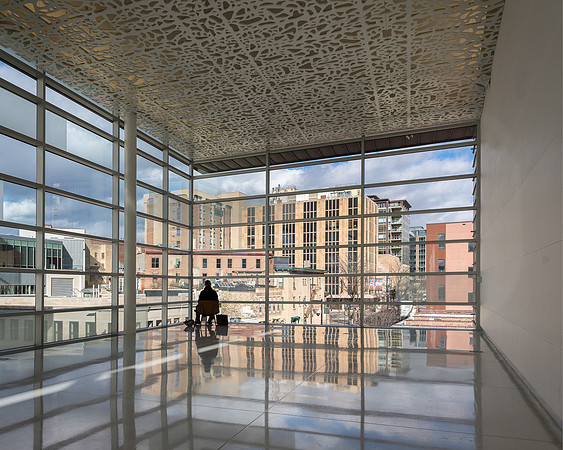
Considerations Behind a ShotOn my way from Chicago to Minneapolis, I stopped for a short while in Madison, Wisconsin to visit the Overture Center for Performing Arts. The Madison Public Library is located across the street from the theater, so I went inside for a few minutes to see if anything might catch my eye for a potential photograph. There's a terrace on the upper floor of the library with a view of downtown Madison. A few things attracted my eye to this scene--the reflection on the tile floor, the sky and the positioning of the person sitting in the corner facing the skyline. From a photography perspective, a few considerations immediately came to mind:
In the end, I like the finished image. It's one of those images that you can't plan for. It's an image that you might happen to come across if you stay open to some possibilities and have your camera available and ready to go.
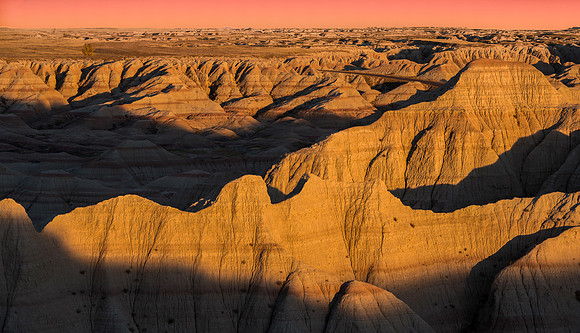
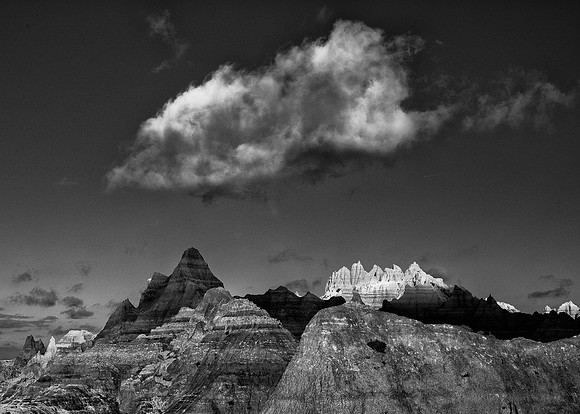
When a Tripod Isn't EnoughDuring my recent road trip through South Dakota, I visited Badlands National Park for a few days. During my time in the Badlands, I had the opportunity to shoot three sunrises and two sunsets. Of those five sessions, the lighting was good for two of them. The beauty of getting five tries at it is that it improves the chances of capturing some good photographs. The best light (and sky) came on a very cold and windy evening. There was a wind advisory with winds blowing at 35 mph and gusts up to 55 mph. What made it worse was that the temperature was in the 30's. A couple of years ago I faced similar windy conditions while shooting from the Panoramic Point Overlook in Badlands National Park. At that time I could see the lens vibrating from the wind. My approach back then was to try to stabilize the lens by resting my left hand on the barrel. I also activated the VR (vibration reduction) feature on the lens. And, I boosted the ISO setting so that I could use a higher shutter speed. Needless to say, the camera was secured to a tripod and I activated the shutter by using a cable release with the mirror locked up. To my disappointment, when I returned home and started processing the images I noticed that most of them weren't tack sharp. This time I tried a different approach. Like before, I placed the camera on a tripod. I also boosted the ISO--but this time I raised it from the base setting of 100 to just 200. Then, I lowered the tripod so that the camera and lens were positioned about chest high. I placed my body very close to the camera and did my best to block the wind from reaching the camera. Even so, it was evident that some of the exposures were ruined because of camera shake. But, my percentage of keepers was far higher. And, I took at least two pictures at a time to improve my chances of getting a sharp one. Here are a couple of pictures from that photo shoot:
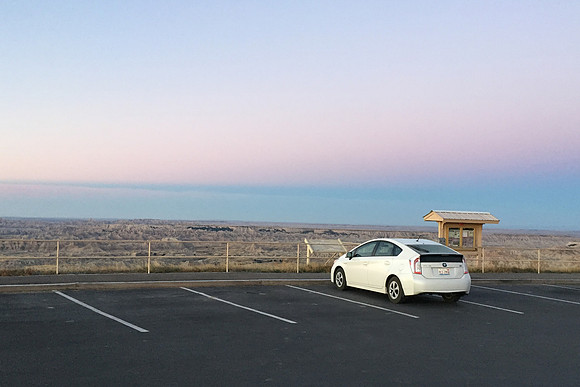
Solitude in the BadlandsDuring my recent road trip through South Dakota, I spent a few days visiting Badlands National Park. One of the benefits of visiting a location like this during the off season is avoiding the crowds. While shooting sunrises and sunsets, I had the overlooks to myself and my car was the only one parked in the large parking lots:
Often times, I would simply park on the road when I spotted something of interest. Sometimes my car would be parked for 30 minutes or more on the Badlands Scenic Loop road without a single car passing by. I was slowly tracking this bighorn sheep and eventually captured this image with the tripod positioned behind my car on the Scenic Loop road:
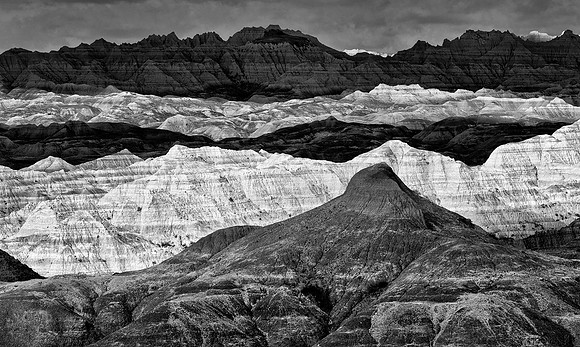
Over the course of my visit, I was fortunate to get some nice lighting for a couple of the photo shoots. You can view more of my color images here and the black and white images here. Here are a few of my favorites:
Minnesota on HoldEarlier this year, I completed my quest to visit each of the state capitol buildings in the continental United States. To view those images, please click here. Minnesota was the first state capitol that I visited. I took a few photographs and ended up keeping just one image of the exterior of the building. At the time, I had no idea that I would be taking on the project to photograph every capitol building. So last month I decided to revisit the Minnesota capitol. During the planning stages, I learned that the Minnesota State Capitol building is undergoing a three year restoration and repair project. The building is closed to visitors until 2017! Since I wanted to also visit my nephew at St. Cloud University, I proceeded with my trip to Minnesota despite the closing of the state capitol building. In its place, I photographed the interior of two beautiful churches--the Basilica of St. Mary and the Cathedral of St. Paul. My next visit to the capitol building will have to wait for a couple of more years.
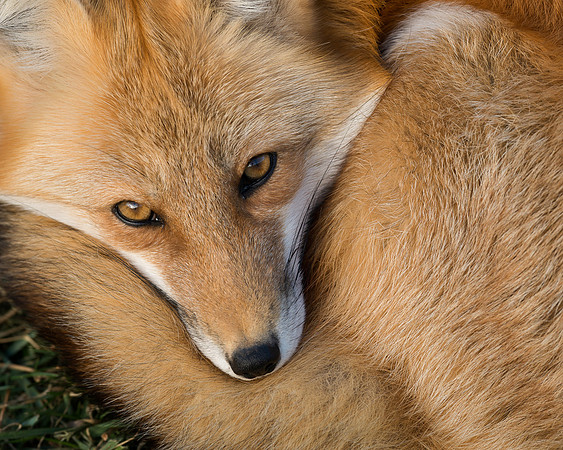
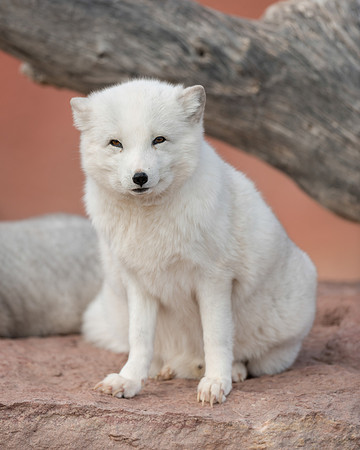
Waiting GameWhile visiting Bear Country, USA, a young red fox caught my eye. He was curled up on the grass in a position almost directly below where I was standing by the exhibit railing in the Babyland section of the park. I had my Nikon D800 with the massive 500mm lens attached. When I looked through the lens, I noticed that the fox filled the frame. I was excited about the possibility of capturing this picture. But, there were challenges. First, the fox was sleeping. Next, the lighting was very flat and dull as the sun was blocked by some thick clouds. Finally, the crop was so tight that there was very little room for error. My hope was for the fox to wake up while I was still there. And when he did wake up, I needed the fox to keep his same position. I wanted the animal to simply open his eyes. The combination of a gripped D800 and 500mm lens is very heavy and quickly becomes difficult to handhold. So, I attached the camera/lens to my tripod. This helped make the waiting game more manageable. I set this shot up about an hour before the park was scheduled to close. After 30 minutes, the fox was still sleeping! It was getting later in the afternoon and the lighting was excellent. All I needed was for the fox to open his eyes. This was the last day of shooting on my South Dakota road trip. During the course of a road trip like this, I know that I will capture quite a few good images. I also know that I will only have the opportunity to capture a handful (if I'm lucky) of outstanding images. I thought this picture of the red fox had a chance to be one of those outstanding images--one of the top three or four images of the 11 day journey. So, I would wait until the park closed in order to get this shot. After the 30 minutes, the fox opened his eyes and looked up at me. I fired a couple of shots and hoped that at least one would be in focus. Fortunately, it was tack sharp!
Winter TrainingEach Winter, I dedicate a few weeks to photography training. Over the past few years, I've subscribed to Kelby Training for one month during the winter. Usually, I end up completing 15-20 of the classes which cover a variety of topics. Over the past ten days, I've watched several excellent videos from KelbyOne. Many of these classes covered general photography topics:
Then, I viewed a couple of course on some more technical aspects of Photoshop.
At the end of the ten days, I viewed all of the courses that I was interested in for now. I've viewed 50 or 60 of the others in past years. Since I cancelled within ten days, all of the training was free! KelbyOne is offering a free ten day trial period right now. The next step in my self-training this winter is to read two more books about Photoshop:
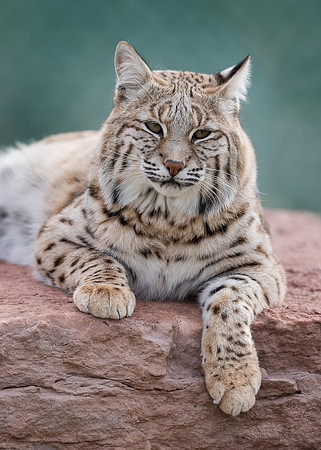
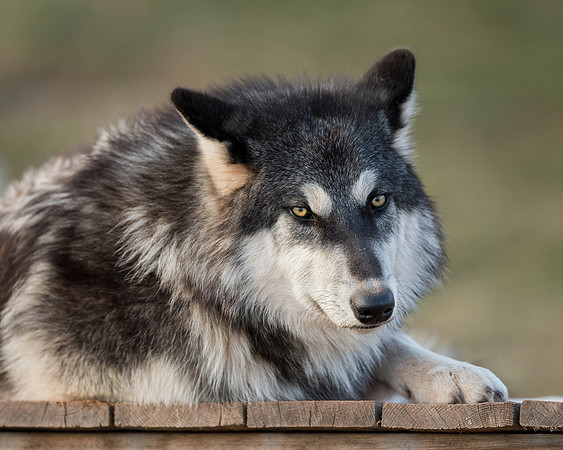
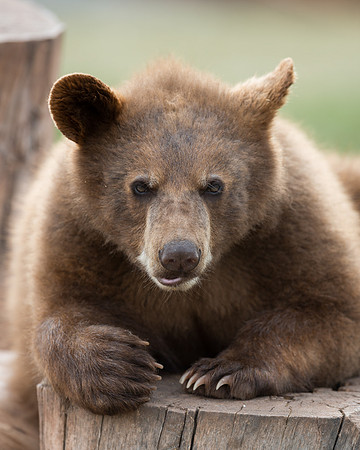
If nothing else, the Kelby Training courses are very inspirational. I found the images from a couple of the photographers to be particularly outstanding--Kaylee Greer and Jennifer Wu. I now follow those photographers on social media. It also inspired me to explore long exposure photographer in more depth. So, I plan to "go long" with some very powerful neutral density filters--including a 16 stop filter that's on its way. I can't wait to get out shooting again! A Year Without Spending...AlmostA few years back, my photography budget was quite high. I purchased some digital cameras and several lenses. In addition to the camera gear, I upgraded my computer and monitor. Then, there was software--Photoshop, Lightroom and several plug-ins. I bought a professional quality printer. I invested in training and workshops. A couple of years ago that all changed. It's coming up on four years now since I bought my Nikon D800 camera. This year, I sold my back up camera (Nikon D700). It's been more than two years since I purchased a lens--the Sigma 15mm fisheye. My computer (a Think Pad) is in its fourth year and still going strong. My standalone version of Photoshop has served me well since 2010--so I haven't moved to Adobe's subscription model yet. I haven't purchased any plug-ins for a few years now. Unfortunately, I haven't participated in any workshops for the past couple of years as all of my trips are self-planned. For the upcoming few years, I don't expect to buy any lenses or software. I am interested in upgrading my camera once Nikon introduces something along the lines of a D900. My D800 is great--but it could be more of an all purpose camera for me if it offered a faster frame rate. At some point, my computer will likely need to be replaced. 2015 was almost a spending free year--until a few weeks ago. During my last photography trip, the zipper on my Think Tank backpack failed again. It was repaired twice already. So, I replaced it with a newer version of a Think Tank bag. Spending $200 for the entire year on photography is a very low amount for me--and knock on wood, it's been that way for two consecutive years! Camera in the CarIn a recent blog entry, I wrote about my experience photographing the young animals at the Babyland exhibits inside of Bear Country, USA in Rapid City, South Dakota. On the day of my visit, the conditions were ideal for photography. The weather was pleasant--it was warm and there was very little wind. The light was nice--just enough cloud cover to diffuse the light much of the time. The young animals were active. There were no obstructions (i.e., cages, bars, glass) between the visitors and the animals. And, there were very few visitors. I thought that afternoon at Bear Country, USA provided one of the best photo shoots of animals that I've had in quite some time. Click here to view some of the animal portraits that I captured that day. Here are a few of my favorites:
While I was shooting, one man approached me and started talking about photography. We were talking about what an outstanding opportunity it was to have access to photographing these young animals in that environment. Yet, he was far more interested in the gear than the pictures. Most of his questions centered around my gear. He kept making comparisons between his Canon gear and my Nikon gear. Honestly, I don't find discussions about the brands to be very interesting as I know that outstanding images can be captured using either brand. The differences between these two large companies is negligible in my mind. For a while, Nikon has a slight advantage in certain areas before Canon recaptures the lead. Then, Nikon leapfrogs ahead again--and so forth. I would recommend going with one of the two brands and just sticking with it. The most shocking think to me was that he was capturing the pictures of the animals with his iPhone. He left his top end Canon gear in the car because he didn't feel like carrying it through the park! What good is it to own high quality gear if you aren't going to take pictures with it? A Pleasant Surprise in Rapid CityDuring my recent road trip through South Dakota, I decided to spend my last day visiting some tourist attractions in Rapid City: Bear Country, USA and Reptile Gardens. The day started very early in Deadwood. I left the hotel in Deadwood at 5:45 AM for a sunrise photo shoot outside of Bear Butte State Park. From there, I drove directly to Bear Country, USA. The reviews of Bear Country were mostly positive, but several stated frustration with the crowds. The first, and largest, section of the park is a wildlife drive-through area. The reviews pointed to traffic jams with travel times of up to two hours to proceed the few miles through this section. I had visions of the nightmare that I experienced while visiting the Fossil Rim Wildlife Park in Texas a couple of years ago. But, my South Dakota visit took place during the off season. I saw just two cars during the entire drive-through wildlife experience. The photography opportunities were limited during the drive-through experience because it is required to have the car windows up at all times. I proceeded quickly through this section of the park as I was mostly interested in the "Babyland" area at the end of the loop drive. "Babyland" did not disappoint! First, the exhibits were ideal for photography. There were no obstructions (i.e., cages, fences, glass) between the animals and the visitors. Tripods were permitted. And, there were several exhibits and a variety of interesting young animals to photograph. I arrived at the park at 10:00 am and kept shooting until 4:00 pm! Capturing good photographs was very challenging...so I stayed for several hours to improve my chances of getting several factors to come together into the frame at once: nice lighting, a good pose and expression. Most shots had to be timed for the lighting as often times the sunlight was very harsh and with too much contrast. I would usually wait until a cloud passed in front of the sun before shooting for a softer look. Waiting for the right pose also took some time. These young animals were sleeping much of the time or facing away from the lens. But, every so often I would catch a good pose and expression under nice lighting.
To view more of my portraits of these young animals, please click here. By the time I was done shooting at Bear Country, USA, Reptile Gardens was closed. Reptile Gardens will have to wait until next time. Fossil Rim Traffic JamA couple of years ago, I attended a lecture by a world-renowned photographer. During the lecture, I jotted down a note about a possible future photography location--the Fossil Rim Wildlife Center outside of Fort Worth, Texas. The photographer recommended this location. He said it was the next best thing to an African safari. I envisioned capturing images from my car of animals running free in this massive wildlife center. I decided to make the most of my visit to the Wildlife Center. I rented a Safari Camp Tent. By staying inside the park at the Foothill's Safari Camp I would have access to the site before it opened to the general public and during the best morning light. I also allocated time for the "Scenic Drive" and purchased a special camera support bean bag for the car window. Since Fossil Rim was a late addition to my Texas trip, I left Miami, Oklahoma at 5am in order to arrive at the Center in time for some afternoon shooting. The sun sets very early in January. The first thing I did was drive the Scenic Drive. The narrow road runs through open Texas land for about nine miles. It was a promising start as my car was the only one on the road initially. I saw a herd of antelope in what looked a lot like an African landscape. But, I wasn't able to frame any photographs of the antelopes as the road didn't provide a good perspective and visitors are not allowed to leave their vehicle. To my dismay, about a half mile into the drive I noticed a long line of cars stopped on the road. Most of the visitors purchased "feed bags" and were feeding the animals. Of course, these "wild" animals have become accustomed to being fed from the cars. So, they are constantly approaching the cars. I didn't purchase food, yet I had several animals approach my car and lick the windows. I guess it's great fun for the kids, but not so much for photographers hoping to capture natural images of the wildlife. I found the whole thing sickening as these animals seemed reduced to begging for food purely for the entertainment of the visitors. But, I knew the facility had some animals that must be truly wild--lions, tigers and rhinoceroses. So, I was still looking forward to what was ahead. It would end up being a very long wait before I saw a tiger! The people with the feed bags think nothing of parking on the road and feeding the animals for up to 20 minutes while a line of 30-50 cars just sit there in frustration behind them. I was particularly frustrated because I had already driven over 400 miles to get to the park before starting the Scenic Drive. Most of the Scenic Drive involved sitting in my parked car waiting for people to finish feeding the animals. It took over three hours for me to drive the nine miles! About six or seven miles into the drive, I entered the section where the lions and tigers are housed. At this point I wasn't surprised to find them housed in cages behind cyclone fencing. Despite the fact that these animals are secured in cages, I was restricted to remain inside the car for "my own safety". I had no chance of getting any pictures of these animals through the fencing. The Brookfield Zoo offers a far better experience for a photographer as well as better exhibit space for the big cats! Needless to say, my experience at the Fossil Rim Wildlife Center was disappointing. Basically, it's an expensive traffic jam!
|