|
I'll be posting some random thoughts here about my photography: my travel plans, technical information behind some images, stories about how certain pictures were captured, etc. The timing of the postings will also be random as my priority is capturing new images rather than writing about existing ones. I hope you will feel free to comment on any of my postings and I appreciate you taking time to read my entries.

Getting CloseThe other day, I captured some photographs of flowers at the Herb Garden at Lake Katherine in Palos Heights, Illinois. I like how my macro lens (Nikon 105VR) allows for me to get really close to the subject. Getting close helps to fill the frame with the subject. It also helps to throw the background out of focus and can provide some more unique vantage points for ordinary subjects.
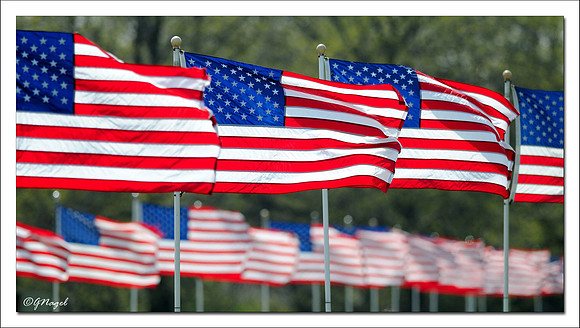
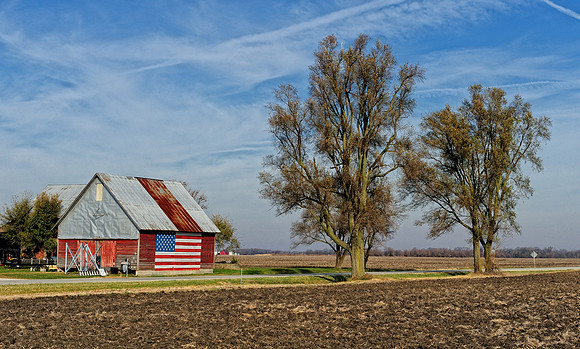
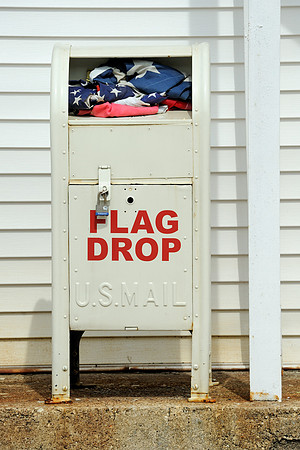
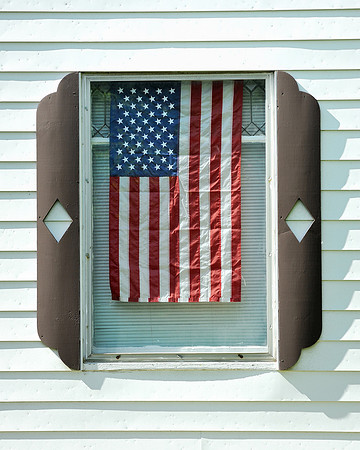
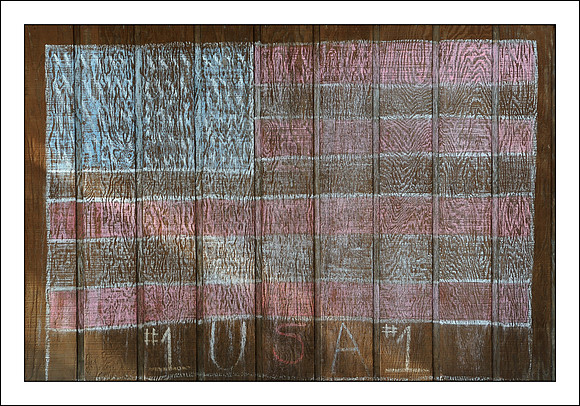
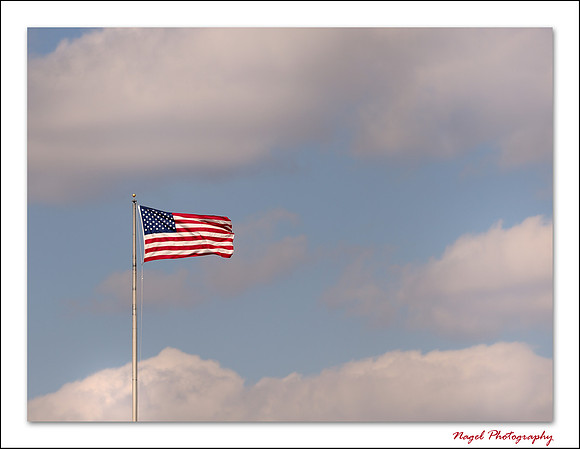
American FlagsIn honor of the Independence Day holiday, following are some photographs of American flags:
Returning to Some Spectacular LocationsSoon, I will be leaving for an extended photography trip to some of the most scenic locations on the planet--Grand Teton, Yellowstone and Glacier National Parks! The last time I visited Grand Teton and Yellowstone was in 1995. I haven't seen Glacier National Park since 1988. Here are a few scanned slides from those past trips:
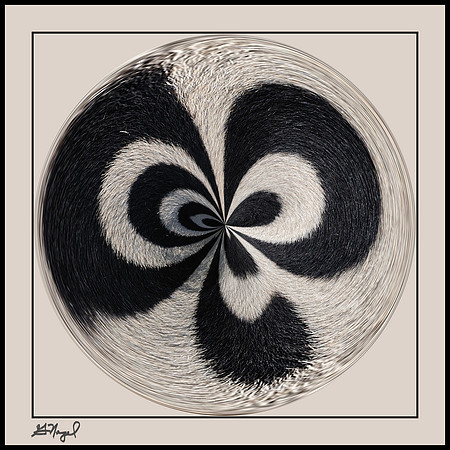
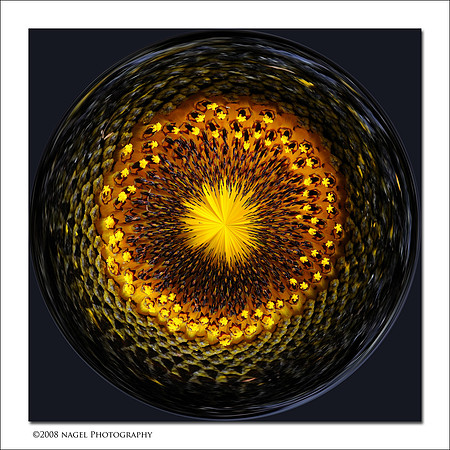
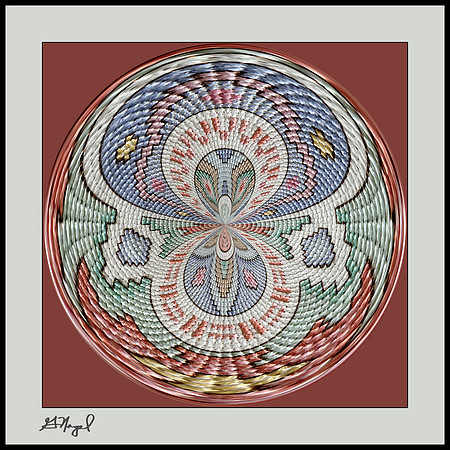
Amazing CirclesI enjoy using Photoshop to create Amazing Circles from certain images. Here are a few of my favorites: A zebra:
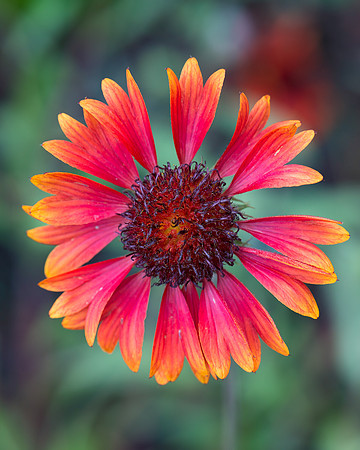
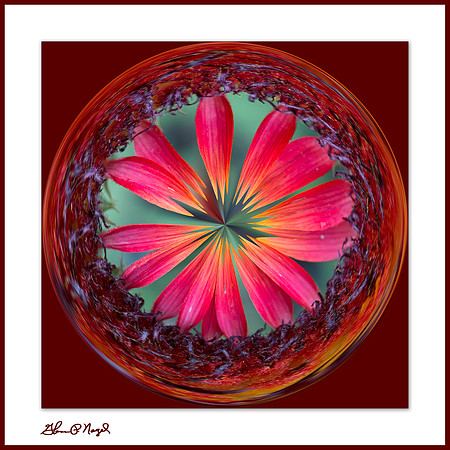
Now, let's take a recent picture and turn it into an Amazing Circle.
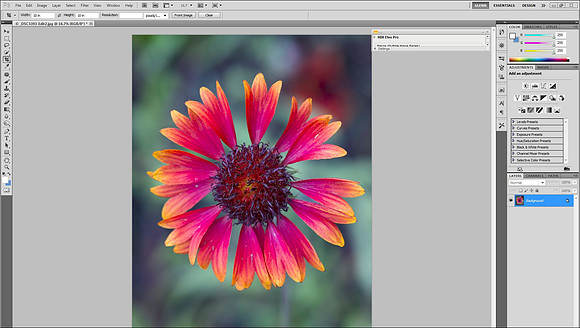
Open the image in Photoshop
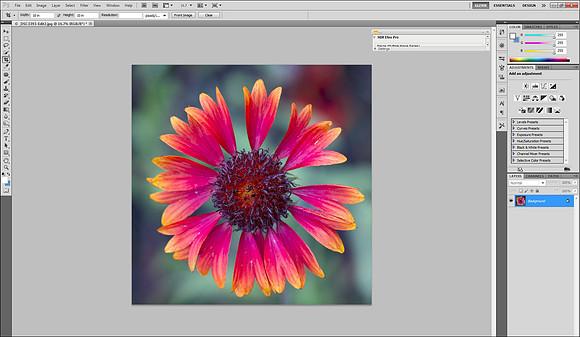
Crop the image so that the frame is square
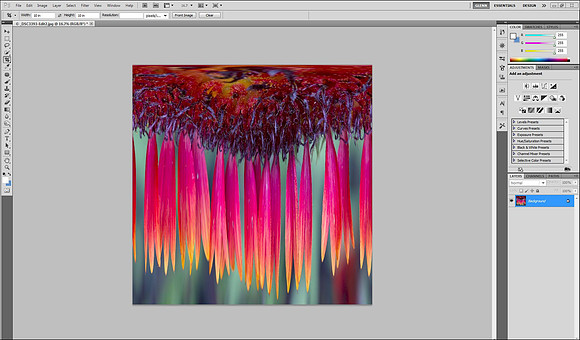
Select Filter, then Distort, then Polar Coordinates, and then choose Polar to Rectangular, then click on OK
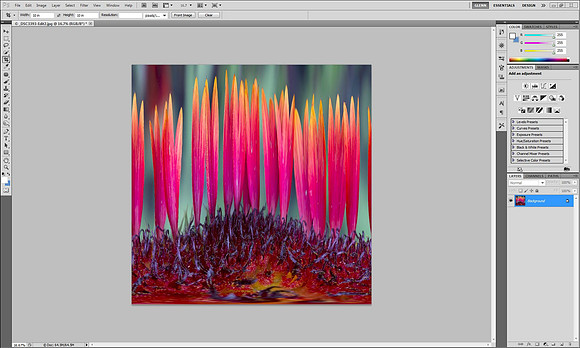
Select Image, the Image Rotation, then 180 degrees
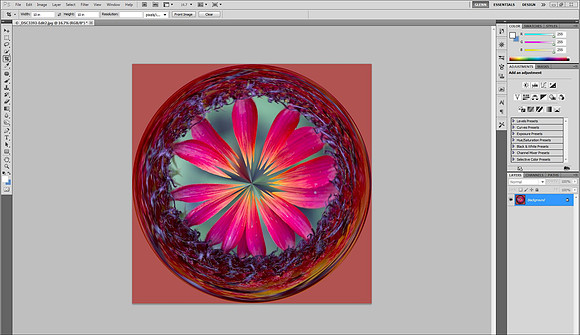
Select Filter, then Distort, then Polar Coordinates, and then choose Rectangular to Polar, then click on OK
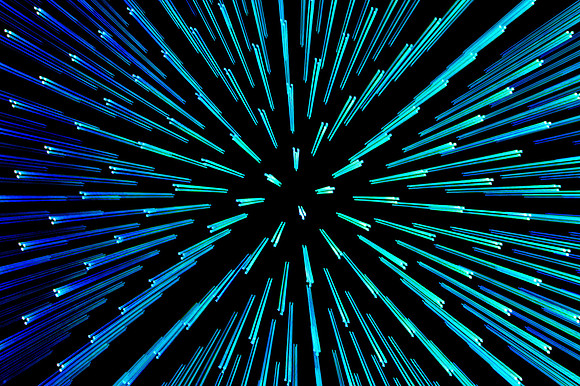
Creating an Abstract by ZoomingIn a recent blog post, I shared a technique for creating an abstract by rotating the lens during a long exposure. Another approach for creating an abstract is to zoom the lens during the exposure. This subject is the same as in the last post--lights on the wall of the MGM Grand in Las Vegas. After some experimentation (good thing for digital photography!), I ended up with a 1.3 second exposure to create this effect:
Light at the End of the TunnelLately, I've been shooting a lot of staircases and hallways. While watching a baseball game at Wrigley Field, I expected to grab a few shots of the park and the crowd. However, the photograph that I liked the most from the day was captured underneath the leftfield grandstands!
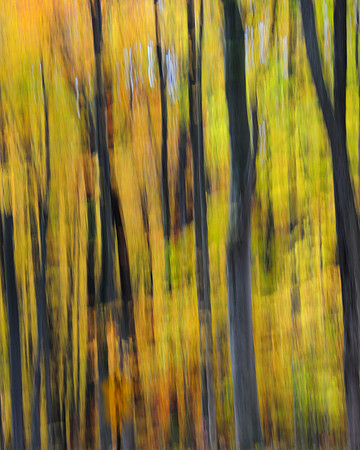
Creating an Abstract by PanningI came across a colorful autumn scene in Northern Michigan. I decided to create an abstract photograph from the scene:
Concrete StairwellIt's been a while since I've been out shooting, so I must be getting desperate. I ended up taking some photographs at a parking garage this afternoon! This image is my favorite of the series. I like the triangular shapes along with the texture in the concrete.
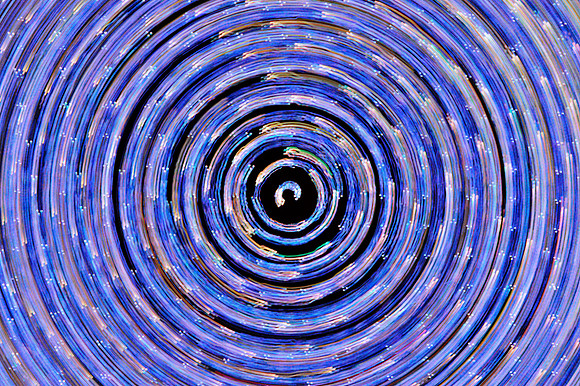
Creating an Abstract by RotatingAnother method for creating an abstract is to rotate the lens during a long exposure. I used this technique to capture of photograph of some light bulbs on the wall of the MGM Grand in Las Vegas. I attached the Nikon 70-200 VR2 to the tripod. I then loosened the tripod collar on the lens so that I could spin the lens freely. The shutter speed for this picture was 3 seconds. During the exposure, I rotated the lens at different rates--checking the LCD panel to see which effect was most effective. Finally, I used multiple exposures to add another element to this abstract image.
A Whole New WorldIt doesn't always require traveling to amazing locations to capture photographs. Sometimes, interesting images can be created from inside your home! One of my favorite subjects to photograph is oil and water. I'm always surprised at the abstract scenes that develop when viewing oil floating in water.
I used the Nikon D700 along with a macro lens (Nikon 105VR). As always, I secured the camera to a tripod--which allowed me to use a very slow shutter speed (1/4th second), base ISO (200) and a wide depth of field (f/11). |